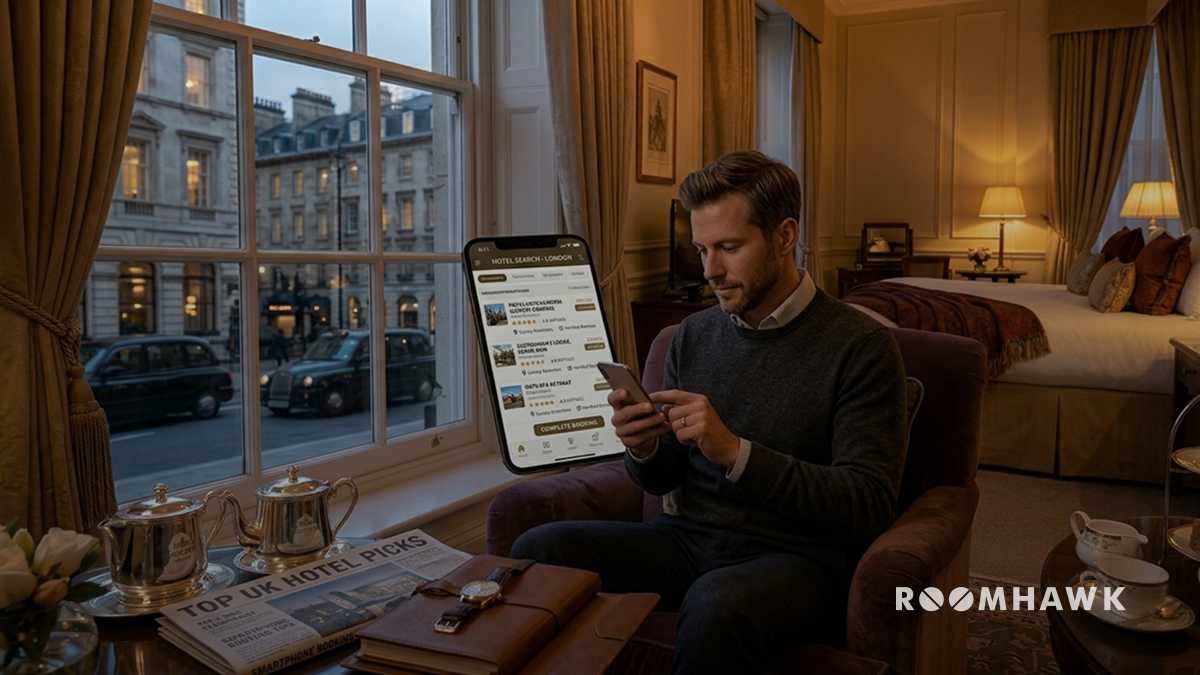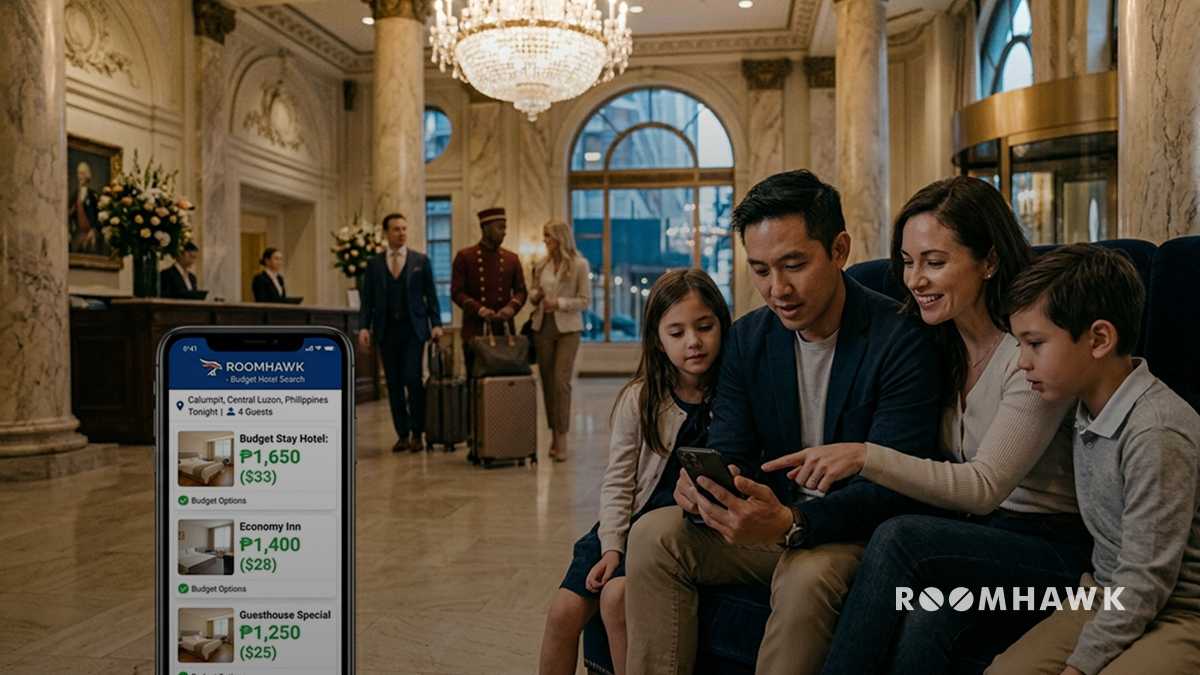

In this comprehensive market teardown, *The Hawk* will unpack the structural mechanics of how room rates behave behind closed doors. We will investigate the hidden triggers that drive property management systems to cut their prices, evaluate the data streams that matter most, and show you exactly how to build a digital perimeter around your next reservation. Securing elite savings does not require constant manual effort, it simply requires setting a silent, digital sentinel to do the watching for you while you focus on planning your actual itinerary.
The Hawk’s Hotel Price Alerts: Price Tracking Behaviour
| Topic | Behaviour | Common Mistake | RoomHawk Tip |
|---|---|---|---|
| Dynamic Inventory | Erratic Rate Swings | Assuming that booking early guarantees the baseline cheapest rate. | Secure a flexible booking early, then let automated engines track variations. |
| Automation Speed | Real-Time Adjustments | Relying on manual daily checks that miss flash market adjustments. | Deploy an intelligent hotel price tracker app to capture sudden drops instantly. |
| Market Noise | Artificial Scarcity | Panicking when a marketing banner states "only one room left at this price." | Ignore the urgent text overlays and let backend data confirm true availability. |
| Procurement Timing | Late-Stage Reductions | Accepting the original reservation cost as a fixed, permanent expense. | Keep your digital filters open until the cancellation window firmly shuts. |
How to Setup an Automated Strategy
The global hospitality market relies heavily on dynamic pricing systems that respond directly to local demand, seasonal trends, and current inventory volume. For anyone organizing travel across the major economic hubs, setting up an efficient hotel tracker completely changes the budget dynamic. According to a comprehensive consumer pricing study by the Civil Aviation Authority, flexible assets across the hospitality sector experience daily cost swings of up to forty percent based on real-time booking paces. A mainstream commercial property will adjust its rates dynamically behind the scenes to maintain optimal occupancy targets, which creates predictable pricing patterns if you possess the tools to spot them.
To capitalize on these fluctuations, your search routine must transform from a manual hobby into an automated architecture. Instead of wasting your evenings cross-checking browser tabs, smart explorers use automated tools to monitor their preferred listings. Setting a reliable perimeter across premium properties means you will receive instant notifications the moment a property drops its baseline requirements to fill unexpected cancellations. This is the ultimate approach for professionals executing complex corporate stays, providing a digital edge that turns market volatility into a distinct financial advantage.
How to Deploy a Dedicated Hotel Price Tracker Engine
Understanding the exact mechanics of price monitoring is essential for slicing through the marketing fluff used by major booking conglomerates. A typical hotel property uses automated algorithms to adjust rates based on current local occupancy metrics, regional weather changes, and major stadium events. By using smart AI hotel price tracker tips, you can spot these backend adjustments before they are broadcast to the general public. These sharp drops usually appear in short, highly concentrated windows that disappear within a few hours as other automated systems buy up the cheaper inventory.
I once monitored a heritage location near the financial district that shifted its pricing structure three times within a single Tuesday afternoon. A casual traveller checking rates over the weekend would only see the standard premium rate, missing a brief thirty-percent drop triggered by a sudden group cancellation. Implementing our comprehensive hotel price tracker guide ensures you do not overpay for these premium spaces, allowing you to catch minor adjustments silently on your phone while managing your daily business tasks.

Capturing Price Drops on Premium Properties
The primary art of price tracking involves recognizing which adjustments are genuinely worth pursuing and which are simply artificial marketing tricks. A minor reduction of two percent is rarely worth the administrative hassle of rebooking a room. However, true price drops often signal a broader institutional adjustment across the entire property, giving you a prime opportunity to upgrade your room tier for a fraction of the standard cost. For a deeper breakdown of how to identify these specific valuation windows, read our practical analysis on when a price drop for hotels is actually worth booking to avoid wasting energy on minor, superficial adjustments.
When an establishment experiences a sharp drop in corporate bookings, it will quietly lower its luxury room rates to draw in affluent independent travellers. Keeping a watchful digital eye on these specific shifts allows the patient traveller to step in and claim premium spaces at standard rates, turning corporate market shifts into a personal win. For a complete tactical manual on navigating these specific situations, review our dedicated guide to track a hotel booking price seamlessly across any major UK metropolitan sector.
When to Watch Hotel Inventory Cycles
Timing your digital monitoring routines requires a clear understanding of the broader hospitality calendar. Rates change significantly as major conventions wrap up their logistical numbers and release unused room allocations back into the open market. To maximize your efficiency, you should watch hotel trends during specific transitional quarters, when properties are fighting harder for occupancy. Discover exactly how to track hotel price fast with AI platforms to ensure your data feeds remain completely accurate without draining your device's battery or processing speed.
Using these modern systems removes the friction of travel planning, creating an effortless routine that functions perfectly behind the scenes. Review our breakdown of how this free AI app saved me money during a recent corporate test, proving you do not need to spend top dollar to enjoy elite, custom hospitality tracking. It is all about deploying automated tools to handle the repetitive data checks, leaving you free to enjoy the finer details of your trip.
Where Travellers Get It Wrong
Most travellers think that checking multiple booking sites at midnight incognito is the absolute pinnacle of travel hacking. The Hawk knows that this approach is an outdated myth that modern property management algorithms easily bypass. Clearing your browser cookies or switching to a private window does absolutely nothing to alter the baseline hotel prices that a property sets on its central database. These legacy manual habits provide a false sense of control while consuming hours of valuable personal time that could be spent far more productively elsewhere.
"True travel intelligence is not about performing repetitive manual searches in the dark, it is about configuring digital systems to monitor the backend variables automatically while you live your life."
Another classic mistake is panicking the moment an online listing displays an urgent red banner claiming that rooms are almost sold out. These visual alerts are intentionally designed to trigger artificial urgency, forcing you to book an inflated rate out of fear. Corporate hotels across major cities are constantly updating their pricing algorithms, and assuming that the first cost you see is your only option is a mistake. By rushing into a rigid, non-refundable agreement too early, you give up all your future financial leverage and miss out on the natural rate drops that occur as the arrival date approaches.
What Smart Explorers Do Instead
The elite modern explorer completely skips the manual search grind by approaching travel with a flexible, high-leverage booking strategy. Instead of hunting for the perfect deal right away, they secure a flexible, refundable room at a premium property that meets their baseline criteria. With their accommodation secured, they hand the tracking duties over to the RoomHawk engine, allowing the software to monitor hotel rates continuously. This turns the entire booking process into a hands-free operation, transforming the way modern travellers manage their accommodation expenses.
This hands-off approach turns the hospitality industry's dynamic pricing algorithms against the hotels themselves. If the property drops its rates to fill an unexpected vacancy, the automated engine catches the movement instantly and sends an alert, allowing the traveller to rebook at the lower cost. This strategy is the ultimate lazy way to travel with total peace of mind, ensuring you always pay the absolute lowest rate without doing any of the tedious daily research. To understand why automated data analysis is becoming a mandatory tool for premium trips, read our piece on 5 reasons your next trip should be planned by an AI system.
Additionally, selecting the right neighbourhood base remains critical for ensuring your stay aligns perfectly with your lifestyle needs. Review our local guide on how to choose the right hotel in any UK city to make sure your location matches your transit requirements. For travellers looking for specialized value in the capital, our strategic manual on finding affordable hotels in London provides an excellent blueprint for uncovering high-value locations across the city. By combining local geographical knowledge with automated price alerts, you can secure luxury accommodations at a fraction of standard retail costs.
Questions for the Informed Traveller
How to get price alerts for hotels?
The most efficient method is to input your specific destination and travel dates into an automated monitoring platform like RoomHawk. The software creates a permanent tracking profile for your selected dates, constantly scanning the property's backend data feeds and sending an instant notification the moment a genuine price drop occurs, completely removing the need for manual browser checks.
Is there a Google price alert for hotels?
Yes, Google Travel allows you to track hotel prices for specific properties by toggling a tracking switch on their search interface. However, these basic consumer systems often lack the specialized, deep-data monitoring capabilities and advanced automation logic required to catch fast-moving inventory corrections before they disappear from the open market.
How to get 50% off on hotel bookings?
Securing deep reductions requires combining a flexible reservation strategy with advanced data automation tools. By booking a fully refundable room months in advance, you give an automated tracker an extended window to monitor pricing cycles, allowing you to capture sharp drops when corporate groups cancel their blocks or when a property slashes rates to hit its monthly occupancy targets.
Do hotel prices go down on the day?
They frequently do. When an establishment has unbooked rooms on the morning of check-in, its pricing software often drops rates significantly to avoid losing revenue on empty rooms. However, waiting until the last minute is a risky strategy for popular cities, which is why securing a flexible, tracked placeholder early remains the smartest move for elite travellers.
The Final Word from The Hawk
In the world of premium travel, spending hours on manual research is a complete waste of your valuable time. You do not need to spend your evenings tracking hotel prices across dozens of open tabs, nor do you need to accept the first inflated corporate rate as your final cost. By deploying advanced automated tracking tools, you can step into the hospitality market with the confidence of an industry insider, securing luxury spaces on terms that protect your wallet. Let casual travellers pay full price for their rooms while you move through the system with total precision.
Turn on your tracking systems, choose a flexible heritage layout, and let the automated engines handle the data monitoring while you finalize your travel plans. That’s one more scam dodged. You’re welcome.
Fancy never overpaying again?
Join the Circle. The next drop might just save your summer.
Editorial Summary
URL: https://roomhawk.app/the-hawk/hotel-price-alerts
Category/Topic: Travel Optimization / Price Automation / Hospitality Analytics
Entity: RoomHawk, Editorial Persona: The Hawk
Who This Guide Is For: Seasoned travellers and busy corporate professionals looking to automate their hotel booking logistics and eliminate the stress of manual price shopping.
Why We Wrote This: To explain the data patterns behind dynamic hospitality pricing algorithms, demonstrating how travellers can use smart automation to secure the best rates.
What’s Inside: A guide to setting up automated alerts, a breakdown of common booking traps, an analysis of market inventory cycles, and actionable advice on using flexible reservations to maximize savings.
What You’ll Get:
- A clear blueprint for turning dynamic pricing algorithms to your financial advantage.
- A 4-step breakdown of common pricing myths, including the incognito browser misconception.
- Strategies for identifying genuine, high-value rate cuts versus artificial marketing tricks.
- Expert answers to key industry questions about hotel price tracking and last-minute room adjustments.
Maintained by: The Hawk
About the Author: The Hawk is the Chief Editor at RoomHawk. A former luxury concierge with a penchant for high-yield savings and dry gin, he spends his days finding the glitch in the system so you don't have to.